.svg)

Similar to how flip flops aren’t a good choice for snow, tape isn’t always the best adhesive for bonding; yet, when certain conditions are met, it undoubtedly becomes the superior solution.
There are several methods for joining two or more surfaces, including adhesive tape, film, glue, epoxy, and spray. So, how do you confirm whether pressure-sensitive tape (PSA) is the right choice for your bonding needs?
Strouse is able to manufacture anywhere from 500+ custom products per year, thanks to our understanding of adhesive performance.
For a clean, convenient bonding solution, let’s now examine the common applications and challenges of pressure-sensitive adhesives.
What is Pressure-Sensitive Adhesive?
Pressure-sensitive adhesive tapes—typically thin, flexible bonding materials with single- or double-sided adhesive coatings—are applied to clean, dry surfaces with pressure. Adhesive tapes or films that aren’t applied using pressure are activated by water, a solvent, or heat.
While traditional tape or film options were often weaker than other binding materials, today’s options are some of the most durable bonding solutions.
HOW DOES PRESSURE-SENSITIVE ADHESIVE WORK?
Pressure-sensitive tapes perform at a much higher level than your average masking tape: upon application, they instantly create high-strength bonds with other surfaces.
Modern PSAs use adhesives based on natural or synthetic rubber, acrylic, or silicone polymers. They can be formulated for temporary or permanent bonds.
- Temporary PSAs hold well but can be removed or repositioned, making them perfect for any product that requires temporary holding.
- Permanent PSA forms bonds nearly as strong as the components themselves.
In short, PSAs offer engineers the freedom to design solutions that don’t depend on fasteners, welds, or messy, time-consuming solutions such as glue.
Why Use Pressure-Sensitive Adhesive Tape Over Alternatives?
Until the mid-1800s, engineers employed a range of alternative solutions to bond materials. These solutions worked for decades, yet each had limitations that frustrated engineers seeking more effective alternatives. For example:
a) RIVETS OR FASTENERS
Industrial applications require a permanent bond, yet applying these heavy pieces can slow down assembly times, holes can increase bond failures, and vibration/corrosion problems are inevitable.
b) WELDING
Typically seen as a quick and permanent bond, not all materials can be welded, plus the process is labor-intensive, driving up labor and material costs.
c) LIQUID OR SPRAY ADHESIVE
c1. LIQUID ADHESIVES
Liquid adhesives are strong but can be challenging to apply (either by automated machines or manually), and they also add expense and increase the curing time of the process.
c2. SPRAY ADHESIVES
Spray adhesives are also challenging to apply evenly, which raises quality concerns, and often require a specialized applicator. Both liquid and spray adhesives can also be messy, even if you develop a process to apply them.
How do Different Manufacturing Industries Benefit from PSA Tapes?
Different manufacturing industries leverage PSA tapes in different ways to solve unique bonding challenges.
| Industry | PSA Tape Benefits |
|---|---|
| Medical | Medical manufacturers use PSAs for wound care and within devices Medical devices need to hit specific performance, cost, timing, and compliance goals Properly designed, converted, and implemented adhesives help ensure short- and long-term success |
| Safety | Custom tape functions in personal protective equipment (PPE), occupational health and safety posters, signage, placards, and labels Automated adhesive solutions help promote and ensure safety |
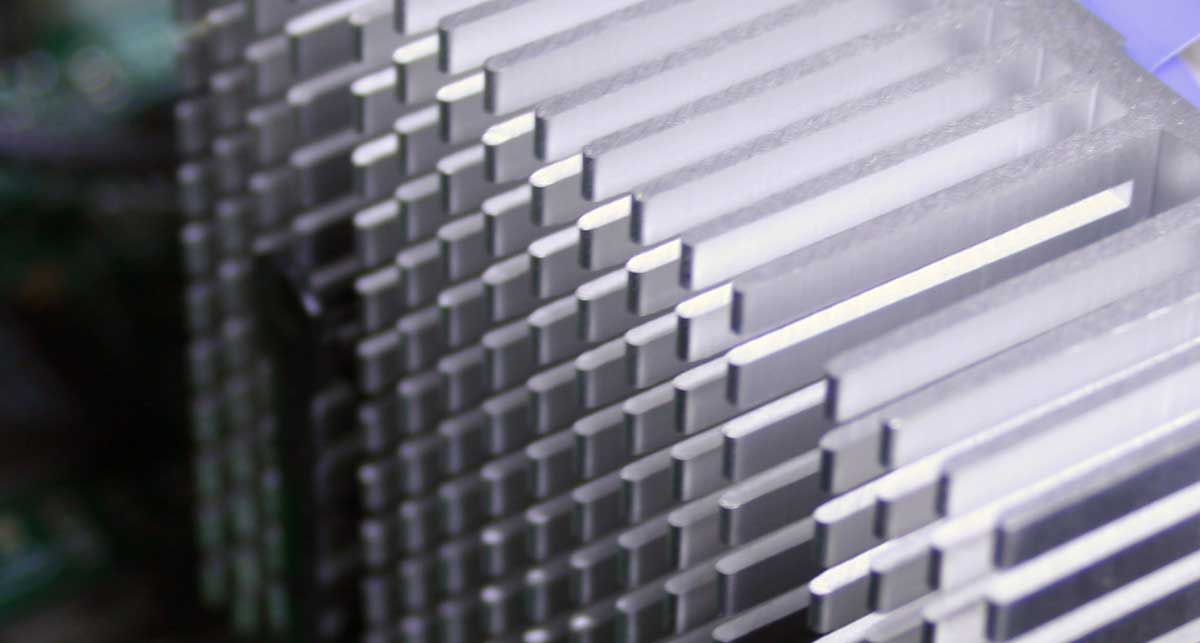
| Electronics | Insulation or heat/electrical sealing Can meet the demand for electronic devices that are decreasing in size while increasing in efficiency and functionality Thermally conductive adhesive tape is specifically used to dissipate heat within electronics products |
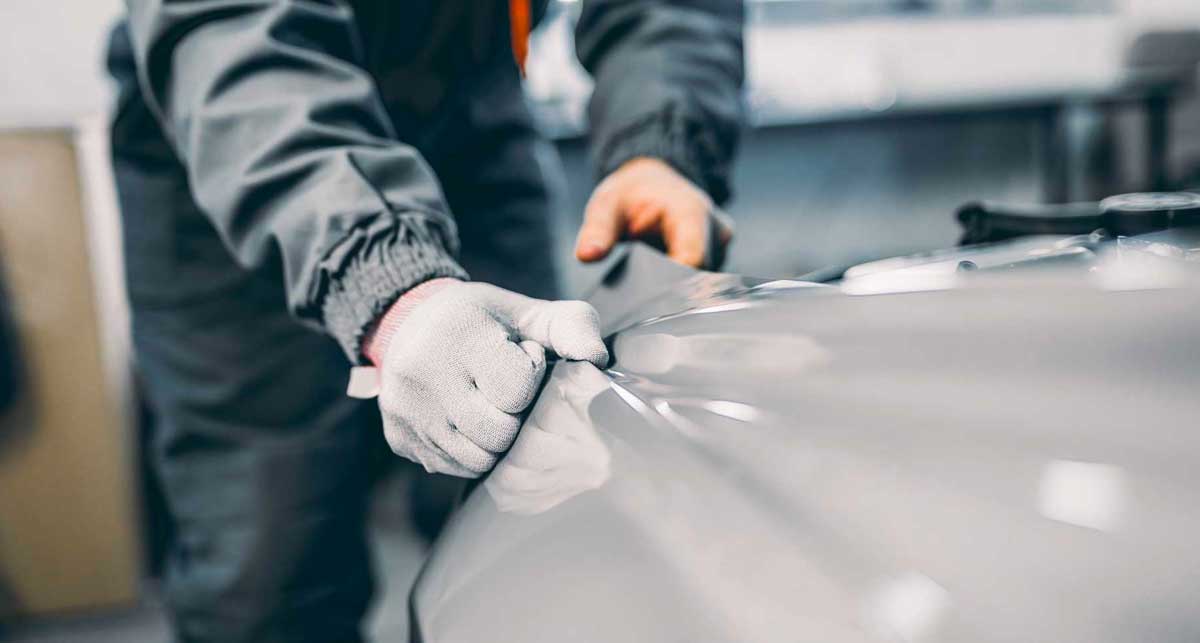
| Automotive | Used for bonding/attaching on vehicles Assembly lines that use PSAs may gain a competitive advantage by saving time and money PSAs slit to the right size, cut to the right shape, and allow easy part assembly |
| Aerospace | Contributes to lighter, safer, and quieter aircraft PSA materials can serve critical functions in extreme environments |
| Appliance | Certain PSA tapes are designed to meet functionality needs, such as surface protection, mounting, component marking, and transport, for refrigerators, freezers, washing machines, ovens, dishwashers, etc. |
| Industrial | Simplifying processes by slitting tape to the right dimensions reduces waste, saves material costs, and improves production rates PSA packing tape seals cartons, provides a tamper-evident seal, and prepares goods for shipment |
| Consumer Goods | More and more complex and varied demands require high-end PSAs that enable the production of a variety of products: keypads to beauty care products to fashion products. |
| Design & Construction | Demanding environments and performing under tough conditions are more reasons to select the right PSAs. Solutions for the design and construction industry help improve productivity, reliability, and safety. |
| Military & Defense | PSA is used to refurbish used equipment, build new machinery, and track weapons and vehicles The right PSA tape can end up being a critical component to ensuring successful military operations. |
| Renewable Energy | Renewable energy systems (like wind, solar, geothermal, batteries, nuclear) use PSA tape products during manufacturing and installation to meet the unique challenges found within the industry. |
Remember that when sourcing PSA for any industry, your converter’s manufacturing capabilities should be able to help provide the material needed in the exact size, shape, and format needed.
Pressure-Sensitive Adhesive Converting
The real key to success when using pressure-sensitive adhesive tapes is who does the converting. A quality converter, with the right material, can take you from concept to production by understanding your needs, budget, and PSA expertise.
DIE CUTTING ADHESIVES
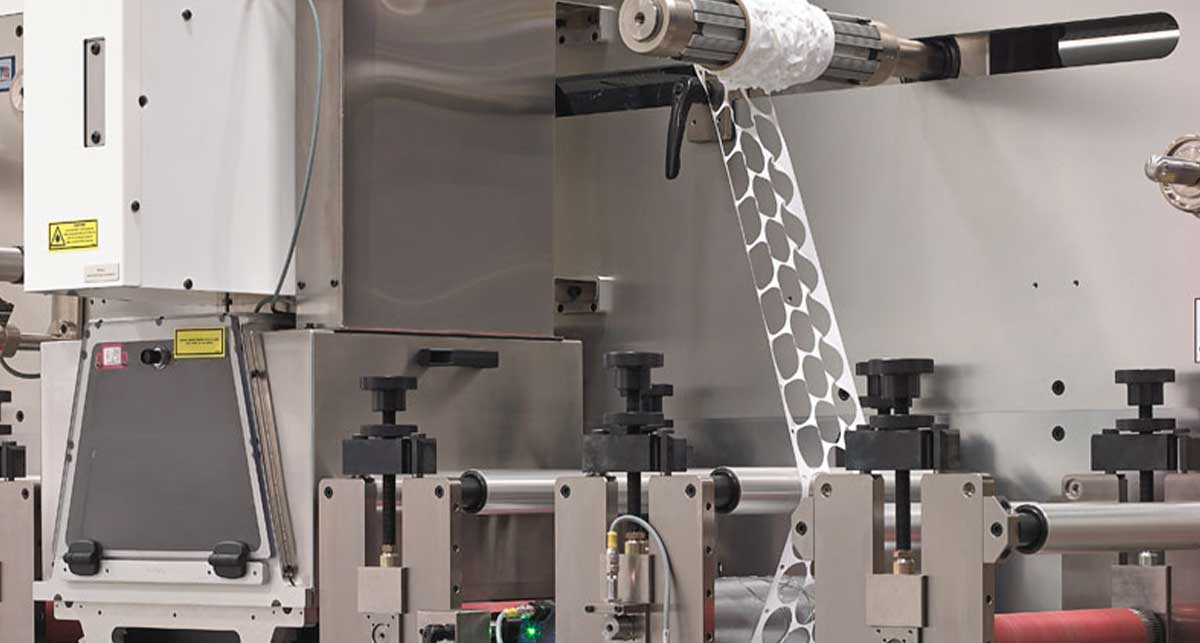
Die cut parts are custom shapes that you can cut out of pressure-sensitive adhesives and other materials.
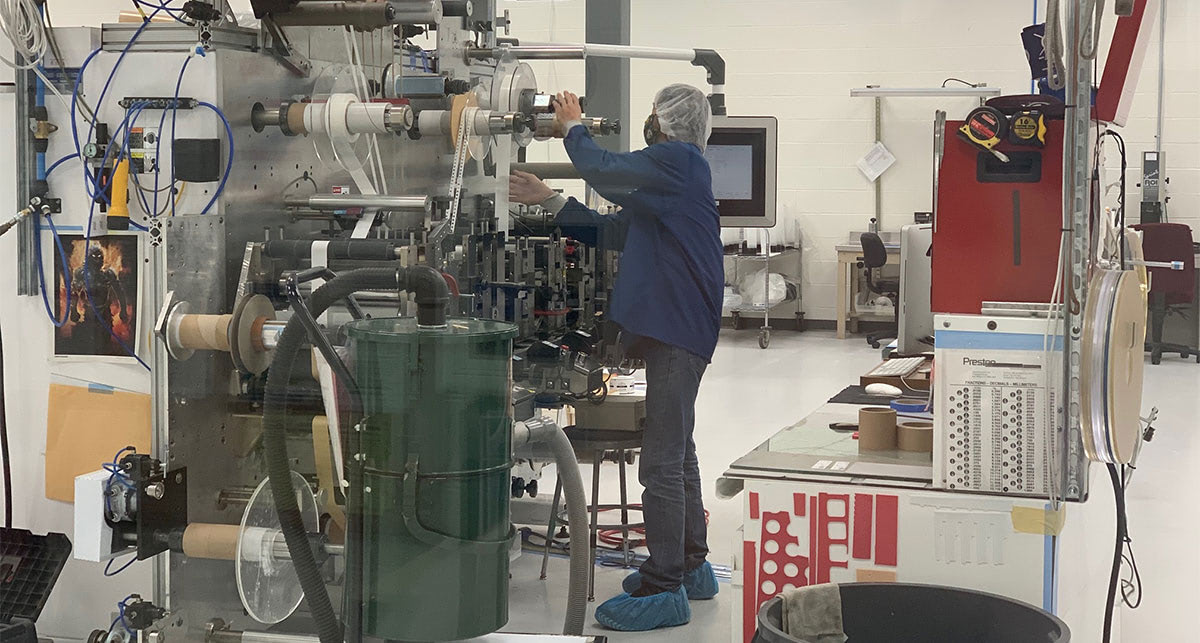
While cutting PSAs by hand can be a slow and inefficient process with more errors and material waste, manufactured die cut parts are identical and produced quickly at high quantities.
Quality converters can skillfully perform pressure-sensitive slitting, die cutting, and kiss cutting techniques. Additionally, if the “right material” doesn’t exist in the market, a quality converter can combine multiple materials to create the perfect product for your application.
Converting PSAs with Strouse
While many bonding options present limitations, expertly converted adhesive tapes address a wide range of adhesive requirements.

Strouse die cuts and converts flexible material to the exact size, shape, and format required for the design. We apply everything we know to every project, and the result is a better understanding of what works best for that project.
If you are ready to experience the benefits of working with a 3M Preferred Converter that knows pressure-sensitive adhesive tape inside and out, start your project with an adhesive conversion specialist today.
Originally published: October 15, 2020