Custom Die Cut Gaskets and Seals
Clean Edges. Proper Fluid Resistance.
Although they’re thin, flexible, and designed to deform, foam gaskets create a vital pressure-tight seal between two stationary parts. In some cases, narrow foam sealing tape is better suited for the application than a sheet form.
Strouse provides foam gaskets and flexible foam tape with impressive sealing capabilities. You’ll find that foam is a great alternative to other options (rubber, metal, cork, copper, paper).
Gasket Foams for Die Cutting
Foam materials possess a broad range of specifications (thickness, hardness, density, and color).
Silicone Foam
Lightweight in density with optimal flame resistance; lower compression set than a typical silicone sponge; comes with high-temperature acrylic adhesive; available in custom, die-cut designs. Uses: Outdoor sealing and lighting enclosures; protect devices against vibration, shock, and heat; protect and seal communications and electronicsPolyurethane Foam
Flexible, durable, cost-effective, and easy to cut; available in fire-retardant and anti-static forms and custom colors; ability to affix pressure-sensitive adhesive backing. Uses: Dust and moisture sealing; component cushioning; thermal insulation; acoustic insulationPolyethylene Foam
Expanded polyethylene foam is strong and resistant to chemicals, grease, mold, mildew; vibration-resistant; available in conductive, anti-static, and fire-retardant forms and in custom colors. Optional cross-linked polyethylene foam is smoother and stronger with superior mechanical and thermal insulation.Urethane Foam
Low-density; flexible, durable, and easy to fabricate and die cut; excellent thermal and acoustic insulation as well as sealing, vibration resistance, energy absorption, and sound dampening. Uses: automobiles, appliances, electronics, industrial devicesOther Tape Carriers
Gasketing materials extend beyond traditional sheet form, and narrow sealing tape may be better suited for some applications. If none of those fit your project, consider other carrier materials, such as polypropylene, polyester, acrylic, sponge rubber, or vinyl.Neoprene Foam
Highly versatile; low-density; excellent water absorption properties; soft, durable, and form-fitting. Uses: applications requiring strong thermal and moisture insulationDie Cut Gasket Manufacturing Capabilities
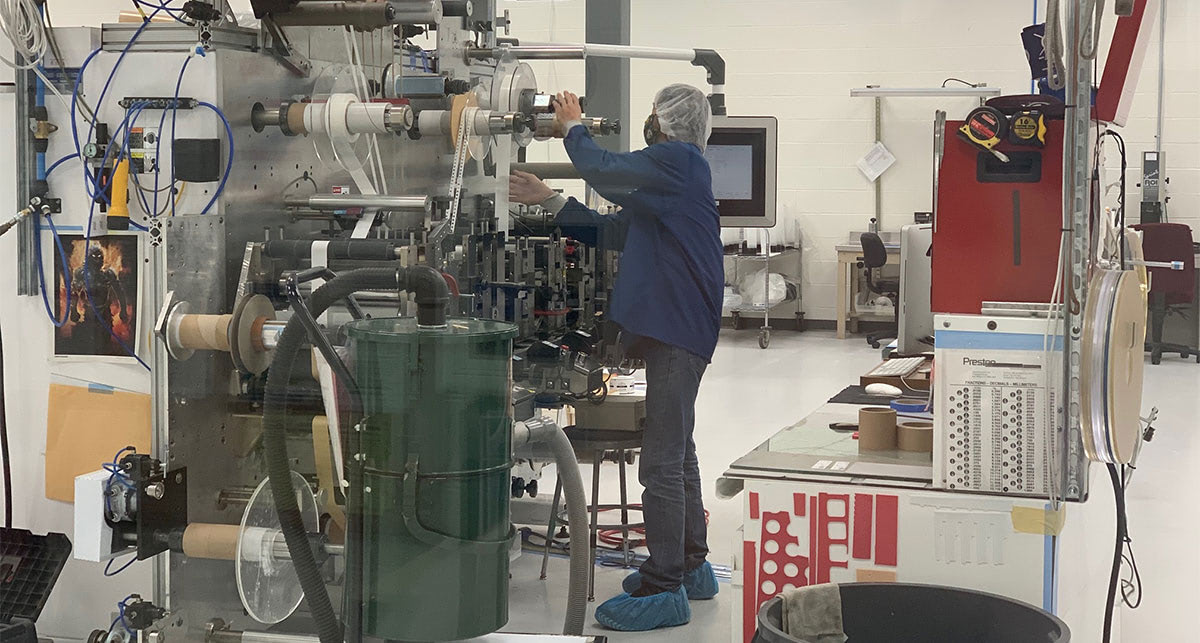
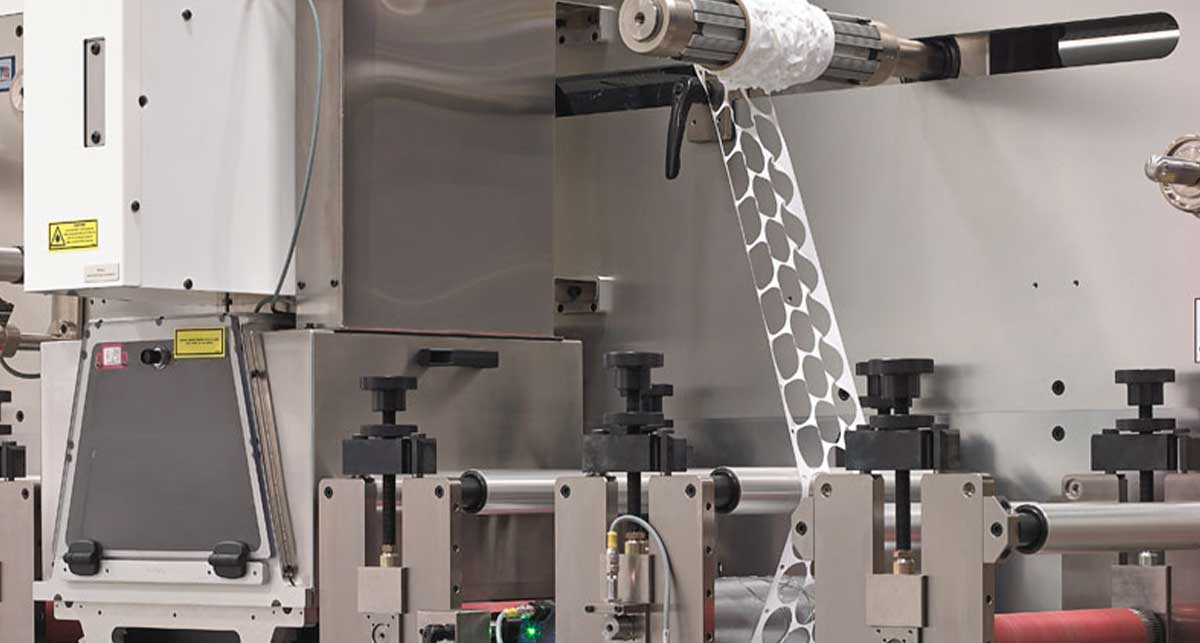
Your project is our focus; the right shape and size, and packaged the way you need it. Put industry-leading adhesive tape manufacturing processes and tight-tolerance die cutting to the test.
Custom Gaskets FAQ
Foam is used heavily in nearly every industry, from the appliance and automotive niches to medical and electronics. Manufacturers rely on foam gaskets to perform the following functions:
- Insulation
- Cushioning
- Weather resistance
- Noise reduction
- Electrical absorption
- Fluid restriction
Foam tape is a go-to gasketing material, used to create strong bonds and attachments in a variety of industries.
Medical
OEMs use foam gaskets to bond medical components and secure protective, cushioned dressings to the skin.
Electronics
As LCD and touchscreens continue to proliferate, many OEMs are turning to foam tape to ensure components remain reliable and protected. Foam is essential for bonding assemblies and attaching components.
Automotive
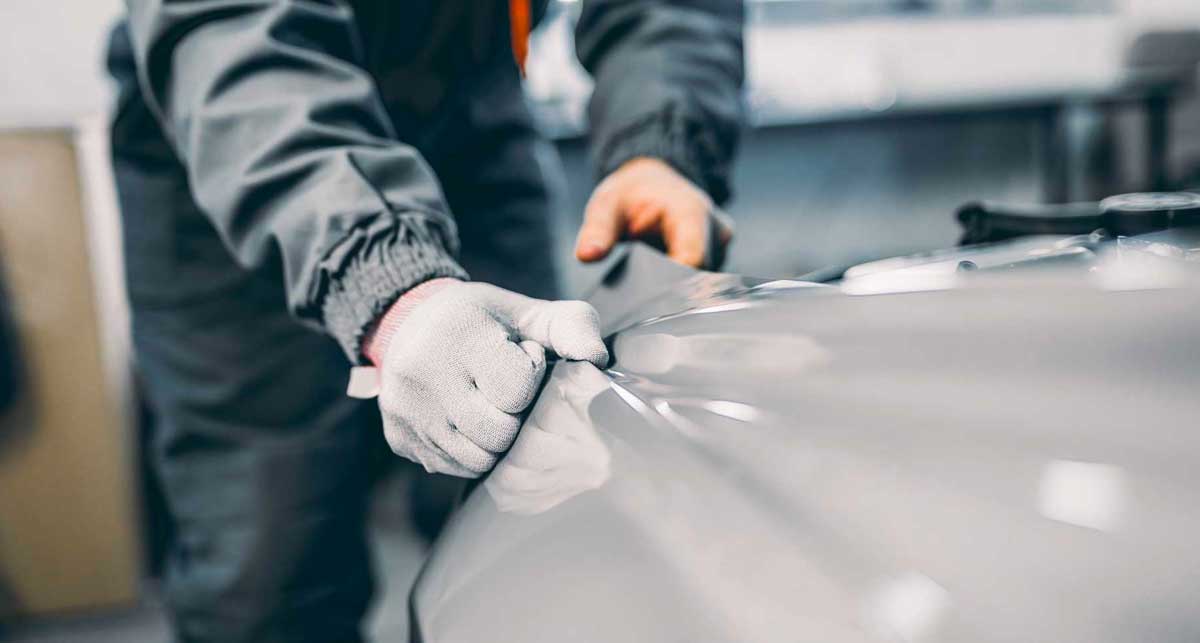
OEMs use foam tape to attach sidewall panels to heavy-duty automobiles that experience significant wear and require durability, such as commercial vehicles, public service vehicles, and truck bodies—
-and many more industries as well.
Additional Resources
What is the Correct Gasket Material For Your Next Project?
When something works well, you likely won’t even notice. In manufacturing, well-running machines result from precise engineering using the right components to provide a smooth, dependable, and quiet experience.
Read moreTypes of High-Temperature Gasket Materials
Like Michelangelo sketching on the ceiling of the Sistine Chapel, you’ve got your perfect design ready to go. But what happens when one of your gaskets can’t handle the heat?
Read more3 Best Adhesive Types For Gasket
Not all gaskets require adhesives, but they can improve performance in certain circumstances.
Read moreHow Much Do Custom Die Cut Gaskets Cost?
Getting a quote without a frame of reference is like stumbling around in the dark. Even if a converter issued you a reasonable offer, would you recognize it?
Read moreQualifications of a High-Level Custom Gasket Manufacturer
Choosing the best gasket manufacturer depends on your current stage of project development and the critical aspects of your design.
Read moreGasket Tape vs. Alternative Gasket Adhesives
Before reaching out to manufacturers, read about gasket tape and its alternatives so you’re prepared to choose the best sealing format for your application.
Read moreThe Pros and Cons of Laser Cut Gaskets
Laser cut gaskets can perform intricate functions with tight tolerances, yet there are also disadvantages to every gasket-making method.
Read more3 Major Gasket Seal Design Tips
Are you tossing and turning while you dream about gaskets? Hopefully not. Although gasket design can be complex and challenging, there’s no reason for it to keep you up at night.
Read moreThe Difference Between a Gasket and a Seal
People often confuse these terms due to their similar functions, but what's the difference between a gasket and a seal?
Read more