
Skip to content
bonding-tape-benefits

LAMINATING MULTIPLE MATERIALS

Custom Material Combinations 

Every liner, adhesive, and film has its own properties and characteristics, but not all of them may fit your project.

When the “ideal” product doesn’t exist, lamination—building customized products from layers of materials—may be the answer. A converter can engineer custom materials to fit a customer’s unique needs. These custom materials can offer properties not previously available with stock materials.


Flexible Material Lamination Options

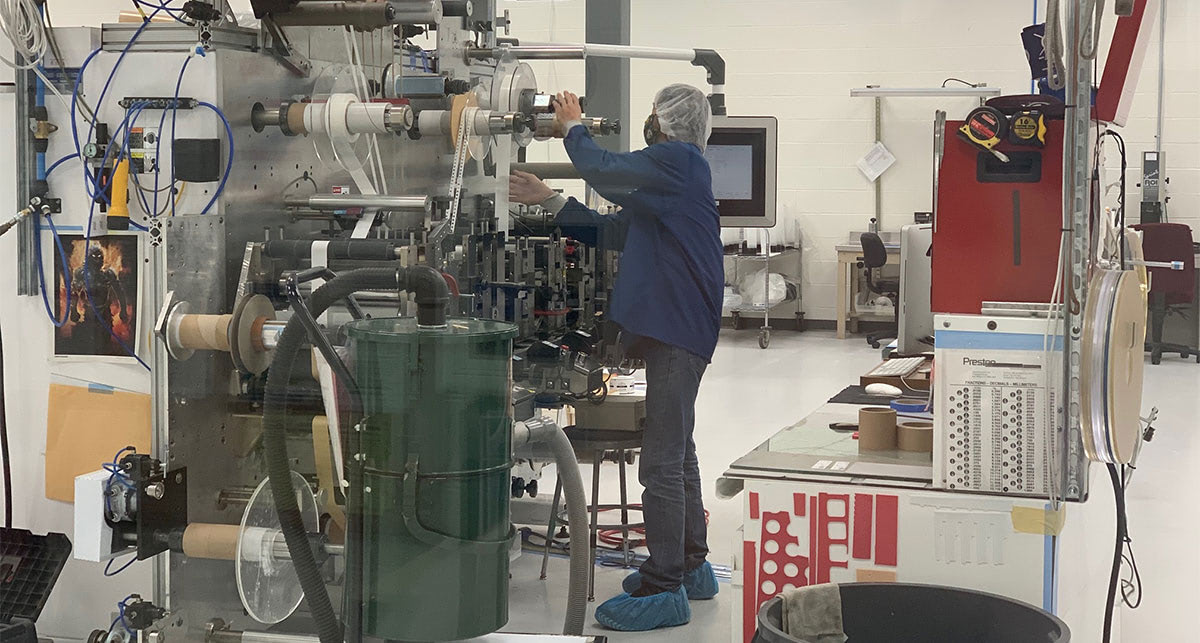
Strouse uses pressure, heat, and welding techniques to combine multiple materials. We can combine 10 materials on numerous presses, and even more on specialized presses. At Strouse, we perform these laminations: 

MULTI-LAYER LAMINATION

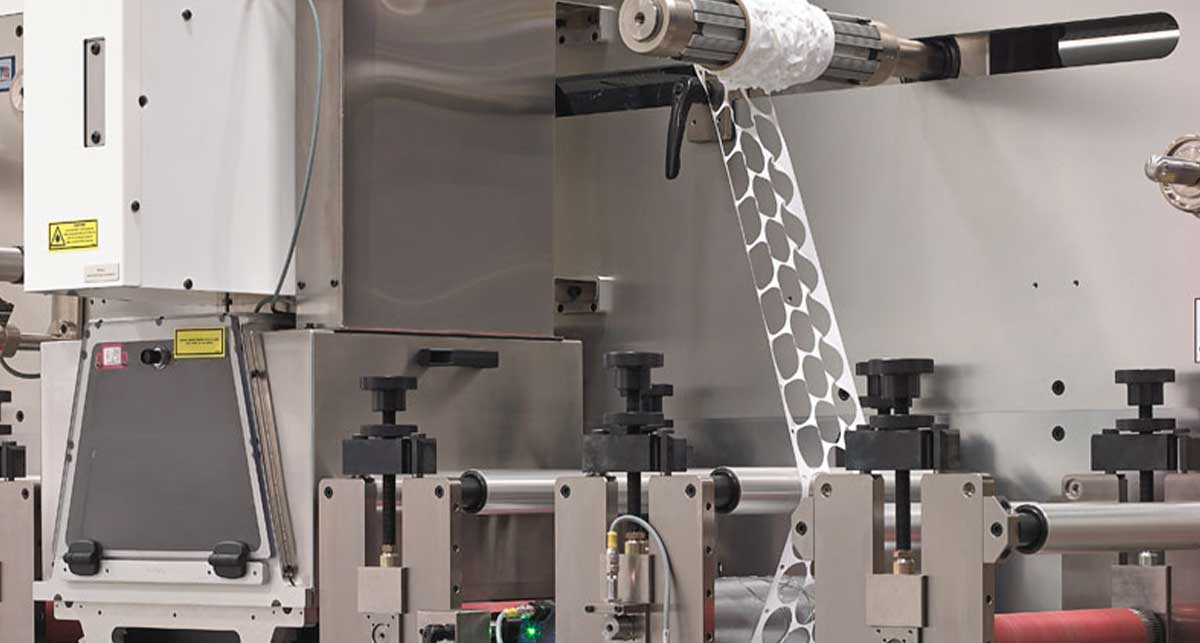
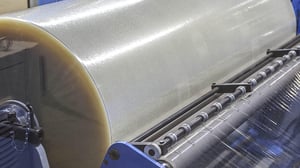
Multi-layer lamination is the most common laminating technique that we perform. Multi-layer lamination involves applying pressure and/or heat to bond different materials, often performed on a rotary press to create rolls of the combined material. 

EXTENDED LINER LAMINATION

Extended liners can offer manufacturing advantages for certain applications. By adding liner length to certain rolls, we can help streamline the next step in the production process. 

ZONED ADHESIVE LAMINATION

If you need to laminate certain parts of a product or material, we can do that for you.

LINER SUBSTITUTION

Liner choice is essential to product performance—especially if you're automating. Strouse can create your ideal combination by switching the default liner on your desired material with an alternative that suits your needs. 

ISLAND PLACEMENT

Island placement uses automated processes to attach certain shapes or components to other materials.

ULTRASONIC WELDING

Ultrasonic welding is a material-joining method that presses materials together, then uses mechanical vibrations and frictional heat to bond thermoplastics and thermoplastic-based nonwoven and elastic materials. Use case examples include face masks, gowns, scrubs, foot covers, diapers, and so forth. 
adhesive lamination
“Strouse handles the difficult converting projects flawlessly. If there is an application other converters can’t solve, I know to come to Strouse. Their knowledge and expertise make the impossible projects possible.”
3m_logo
3M Converter Markets Rep
FREQUENTLY ASKED QUESTIONS

Adhesive Laminating FAQ

What is Lamination used for?
  • Solutions that require a stack-up that is different than stock.

    • This can be needed for both material density and different materials.

  • A converter can save money by creating a laminated material that eliminates steps in the process.

  • A bonding application that needs different adhesives to bond to different surface energy substrates.

    • The two different adhesives are laminated together.

Which materials can you laminate? Many flexible materials (e.g., tapes, films, and foams) can be laminated with the right process. However, certain adhesive and material/liner combinations aren't very functional, so you may end up picking alternatives. 
What are some common issues during the laminating process?

Common issues that you may encounter during prototyping and production include:

  • Poor material alignment — This could result in faulty parts that possess air bubbles or other deformities 
  • Incompatible material choice — Certain materials might be unusable, and you're better off using alternatives (e.g., using a fluorosilicone liner for a silicone adhesive instead of silicone) 
  • Flimsy material choice — Flimsy materials can cause miscuts, creating excessive material waste
When is adhesive lamination a good solution?

You may want to use adhesive lamination if you can't find an adhesive that matches your desired substrates. The right material/adhesive/liner combination CAN exist, but it may take some elbow grease to create it. 

With unlimited options ready to be created, you may be unsure how to move forward. We’ll help you select the right laminating solution for your needs.

Contact Us Today