.svg)

LASER CUTTING SERVICES
high precision, No Custom Tooling Required
What is Laser Cutting Used For?
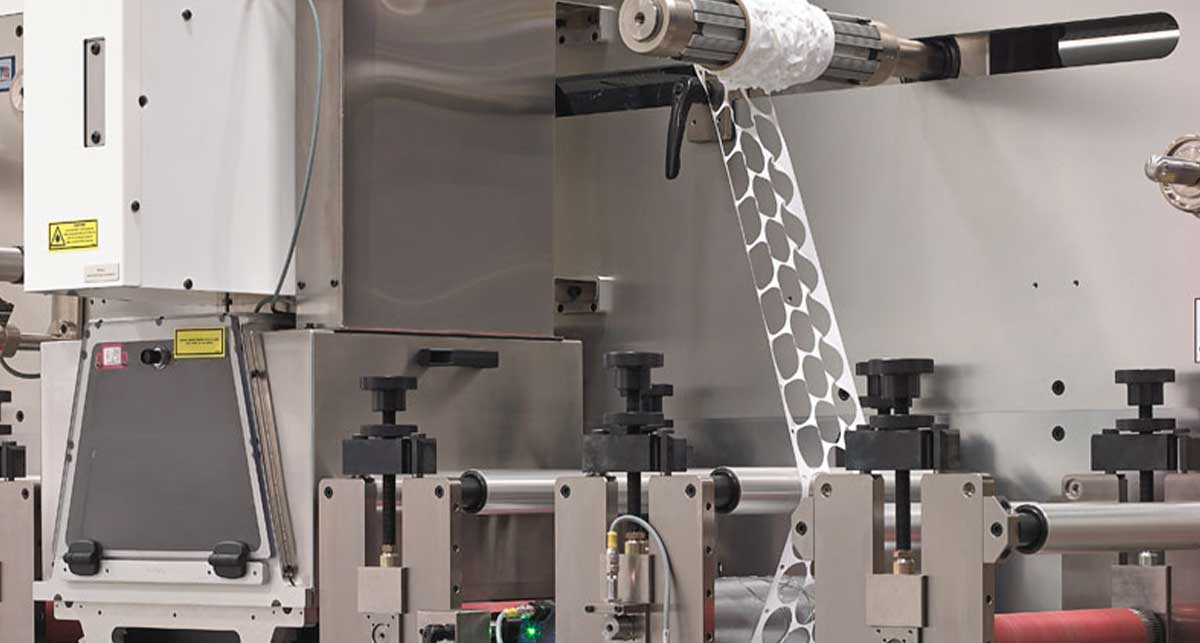
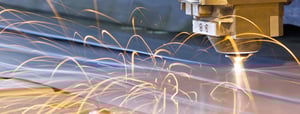
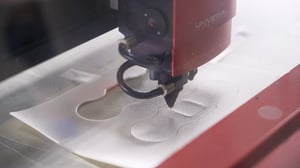
Lasers offer high precision, even when slicing through a stack of laminated materials or repeatedly cutting small details such as holes, slots, or fenestrations.
PROS |
CONS |
| High accuracy and precision (cuts complex shapes) | May struggle to cut thick materials that require multiple laser passes |
| Repeatability | Parts can turn out less aesthetically pleasing due to burn marks (plus, laser ablation can contaminate the adhesive) |
| Contactless (tool-free) cutting = No tooling cost | High volumes are more challenging, depending on the laser |
| Great for lower (~50-100) part quantities, or when other methods aren't feasible due to tolerances |
CO2 Lasers cannot cut metal/foil |
Is Laser Cutting Right for My Project?
Depending on your application, laser cutting won't always be the best choice. However, it may suit your project if:
- Your designs involve high-precision, tight-tolerance cutting
- Neither aesthetic appeal nor optical clarity is a concern
- You aren't using foils or thick foams/rubbers
If this sounds like your project, call our team, and we will help you get started.
FREE RESOURCE

Your Complete Guide to Product Design
Your Complete Guide to Product Design will teach you:
- How to create an effective product design with functional design elements
- Best practices when selecting materials
- When to move from prototyping to full production
- How to overcome common custom design challenges
If you follow each step, you will learn how to effectively transform your innovative idea into a functional, manufacturable, and well-designed product.
“Strouse handles the difficult converting projects flawlessly. If there is an application other converters can’t solve, I know to come to Strouse. Their knowledge and expertise make the impossible projects possible.”

3M Converter Markets Rep