.svg)

.jpg?width=300&name=mustafa_fahd-hair-4927456_1920%20(1).jpg)
Humans shed roughly 500 million skin cells daily. It’s gross, I know, but it also highlights the importance of keeping products free of contamination.
In medical products, contamination can lead to serious errors, such as a false negative paternity test result after a machine operator handled the materials used in the DNA sample packet.
At Strouse, we reduce bioburden risks and sterilization costs by combining multiple manufacturing processes into a single run, known as a one-pass production process. This approach also lowers shipping costs and reduces process errors early on.
To help you evaluate whether one-pass production is right for your project, let’s explore how it reduces bioburden.
What is Bioburden?
Humans constantly shed dirt, skin flakes, hair, fluids, and other byproducts. In manufacturing, we call these contaminants 'bioburden.'
Managing bioburden is crucial across industries, as evidenced by countless scientific and engineering innovations, from surgical kits to Mars robots, all designed to tackle this persistent challenge.
Bioburden in Medical Converting Services
Throughout manufacturing, factors such as raw materials, storage conditions, and production environments contribute to the accumulation of bioburden.
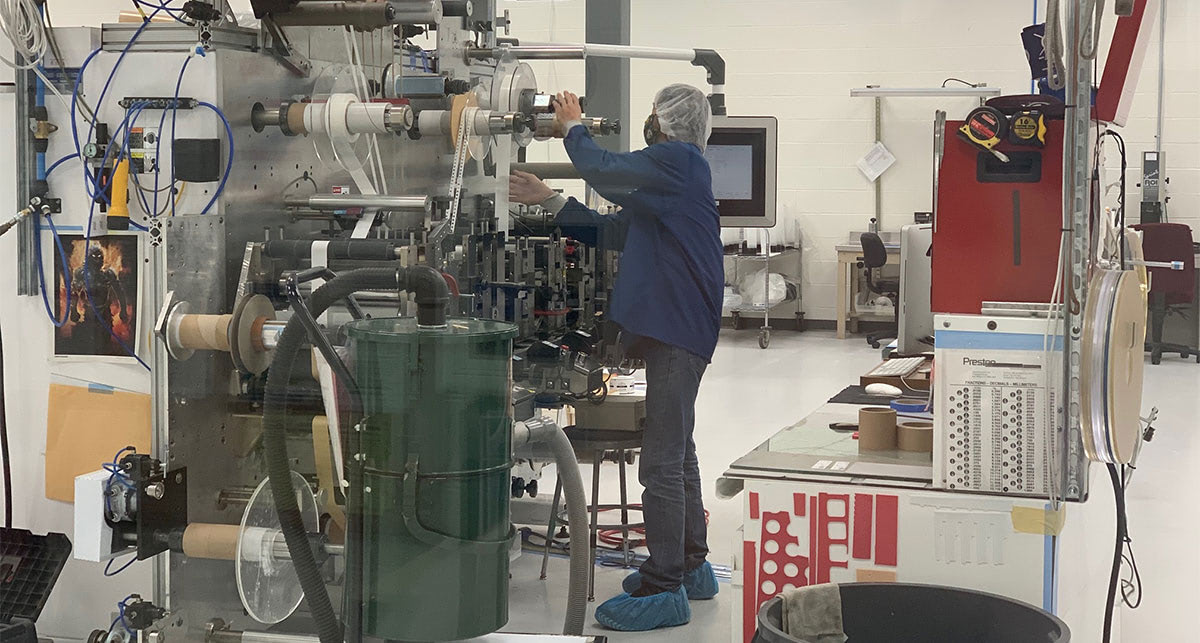
Medical converters reduce bioburden using medical-grade materials, gloves, special clothing, and controlled environments. Some skilled converters can engineer processes to reduce handling.
The Consequences of Bioburden on Die Cut Medical Products
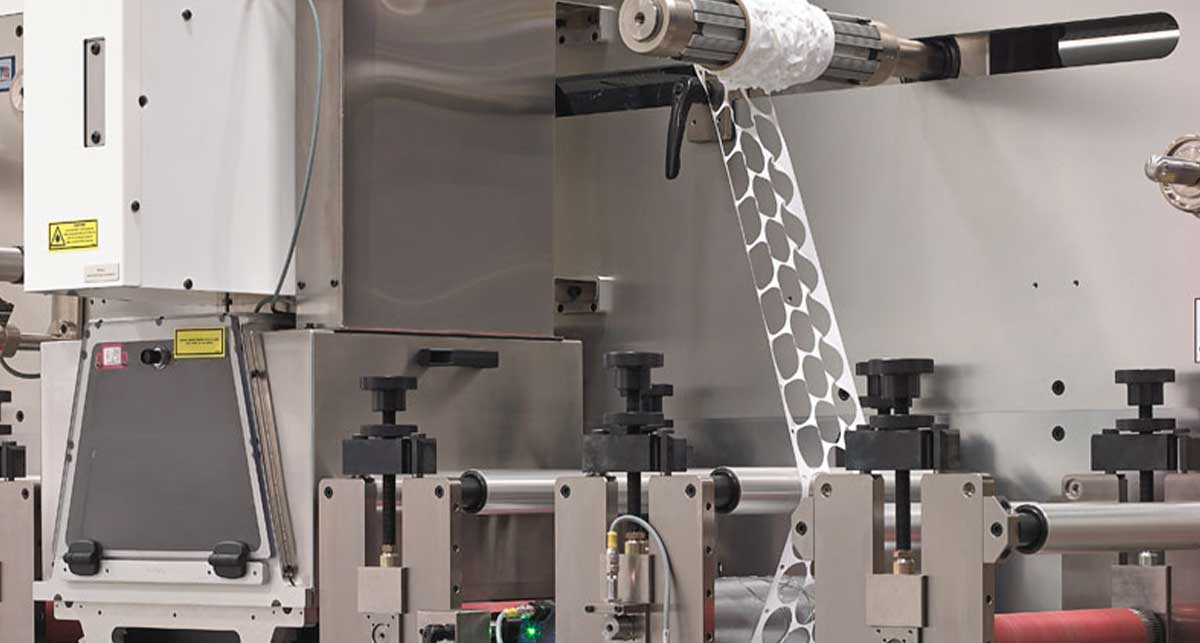
Although rotary die cutting enables precision and consistency in medical products, any increase in bioburden compromises safety and increases sterilization costs.
“Does your manufacturing process have the potential for contamination? That’s what we want to fix.” — Scott Chambers.
The FDA linked over 300 infections and at least one death to contaminated duodenoscopes. These devices use die cut plastic or polyethylene end caps to reduce infection, but blood and tissue trapped in the tip spread dangerous bacteria between patients.
Even as practitioners switched to disposable tips, new risks arose. The FDA had to warn about packaging failures that could threaten device sterility, further damaging the product’s reputation.
In short, bioburden remains a risk to anyone involved with the product, whether as a user, applicator, or manufacturer.
Reasons to Engineer a One-Pass Process
By combining multiple steps into a single manufacturing process, a one-pass production system addresses bioburden more effectively and in multiple ways.
1) MULTIPLE PROCESSES INCREASE BIOBURDEN
With each additional shipping or handling step, your product’s exposure to biological contaminants increases. For example, consider this scenario:
.png?width=1800&height=1200&name=One-Pass%20Production%20and%20Contamination%20(8).png) In the scenario WITHOUT a one-pass process:
In the scenario WITHOUT a one-pass process:
- The company pays:
- Three separate medical converters
- An assembly house
- A packaging plant to build the final components
- This can lead to:
- Inflated shipping costs
- Increased risk of processing errors
- Longer lead times
- Greater bioburden risk due to the many instances of shipping and handling
.png?width=1800&height=1200&name=One-Pass%20Production%20and%20Contamination%20(9).png) In the scenario WITH a one-pass process:
In the scenario WITH a one-pass process:
- The company pays one converter. Operators feed rolls into the press and receive finished parts out the other side.
- By reducing handling in a one-pass process, you achieve lower bioburden risk along with other operational benefits.
Choosing lower individual process costs may be tempting, but investing in a one-pass process can minimize delays and reduce sterilization costs, saving you time and resources overall.
2) YOU CAN EASILY COMBINE IT WITH CLEAN ROOM MANUFACTURING
Clean rooms, while not required for all medical products, are crucial for reducing bioburden. They provide controlled environments that meet ISO-certified standards for temperature, humidity, and particles.
If you build COVID-19 test kits in a standard warehouse, you can't control pathogens. FDA approval requires specific conditions.
A clean room reduces particulate exposure, lowering later sterilization costs.
3) ADDED BENEFITS TO ONE-PASS PRODUCTION
Aside from helping companies reduce bioburden, one-pass production also:
- Lowers shipping costs
- Reduces lead times
- Reduces the chances of process errors
- Lessens the amount of coordination between production steps
- Improves dynamism and flexibility
Consistent Solutions With Fewer Contamination Risks
All medical die cuts face some level of bioburden before sterilization. By addressing vulnerabilities early, manufacturers improve their chances of delivering trusted products to providers.

If you’d like to know more about how converters implement one-pass production, refer to the guide above.
You can also find details about this topic on our precision die cutting and converting page.