.svg)

%20(1).png?width=300&name=Ultrasonic%20Welding%20(800%20x%20400%20px)%20(1).png)
Who among us doesn’t enjoy a little bit of Saturday afternoon USW (Ultrasonic Welding)?
But in all seriousness, it’s possible that rotary ultrasonic welding could be your best choice for a high-volume bonding solution.
Strouse often uses flexible materials, such as PET films, nonwoven fabrics, and thermoplastic elastomers, which can be bonded using ultrasonic welding.
If your product requires laminated material (especially in complex layer stack-ups), you should consider the benefits of ultrasonic welding to determine whether it's right for you.
What is Ultrasonic Welding?
Ultrasonic welding uses mechanical vibrations to generate frictional heat that bonds thermoplastics, thermoplastic-based nonwovens/elastics, and metals together under pressure.
.png?width=800&height=400&name=Ultrasonic%20Welding%20(800%20x%20400%20px).png)
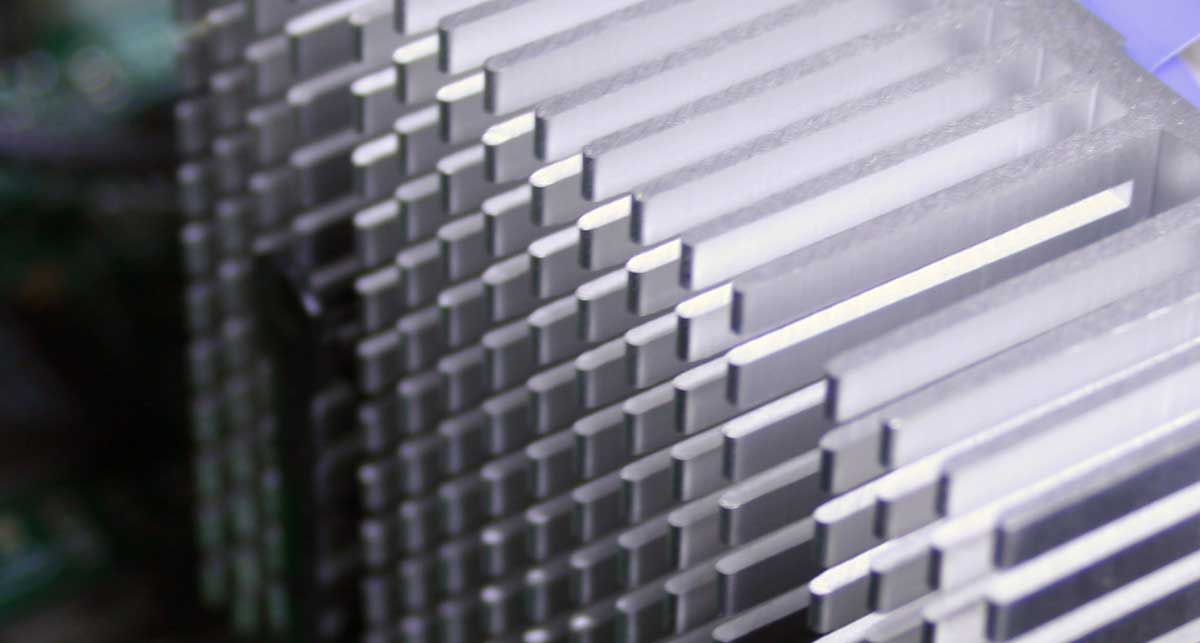
An “ultrasonic horn” applies vibrations to an anvil, pressing the layers of material together. The resulting frictional heat softens them (or plastically deforms the surface in the case of metals), so the materials fuse.
Note: This process is not possible with thermoset plastics or chemically incompatible materials.
EXAMPLES AND USES
Ultrasonic welding can be used to build products such as face masks, gowns, scrubs, foot covers, and hygiene products (diapers, sanitary napkins, etc.).
From a technical standpoint, you might use ultrasonic welding for:
- Welding or cross-sealing
- Laminating
- Embossing
- Perforating
- Cutting
The Benefits of Rotary Ultrasonic Bonding for Manufacturers
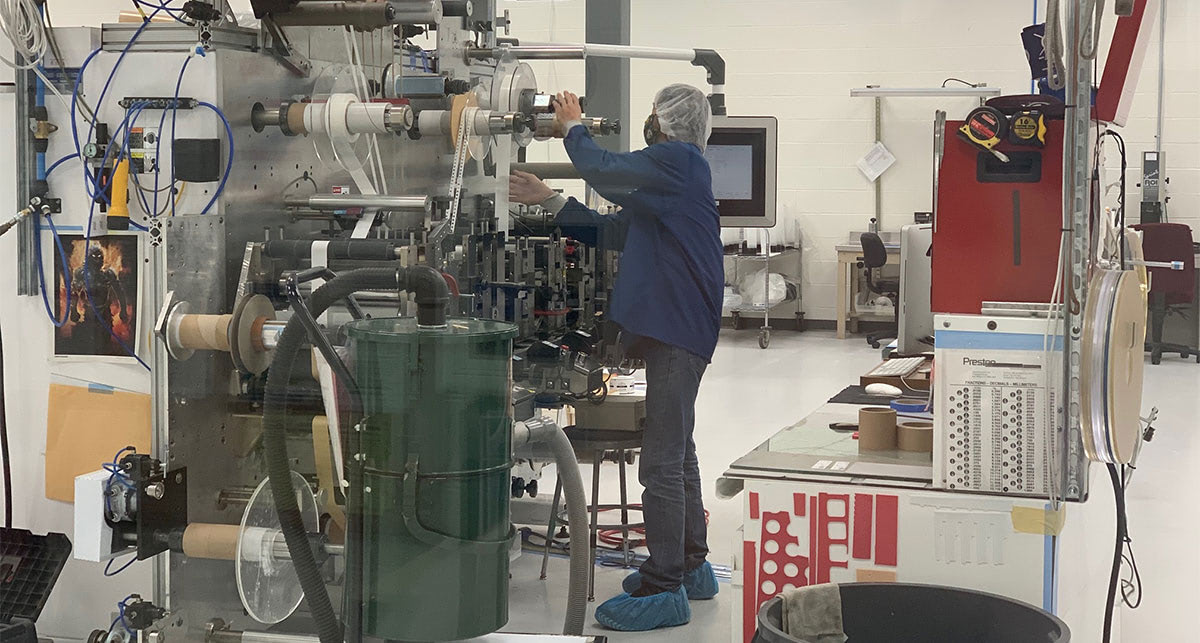
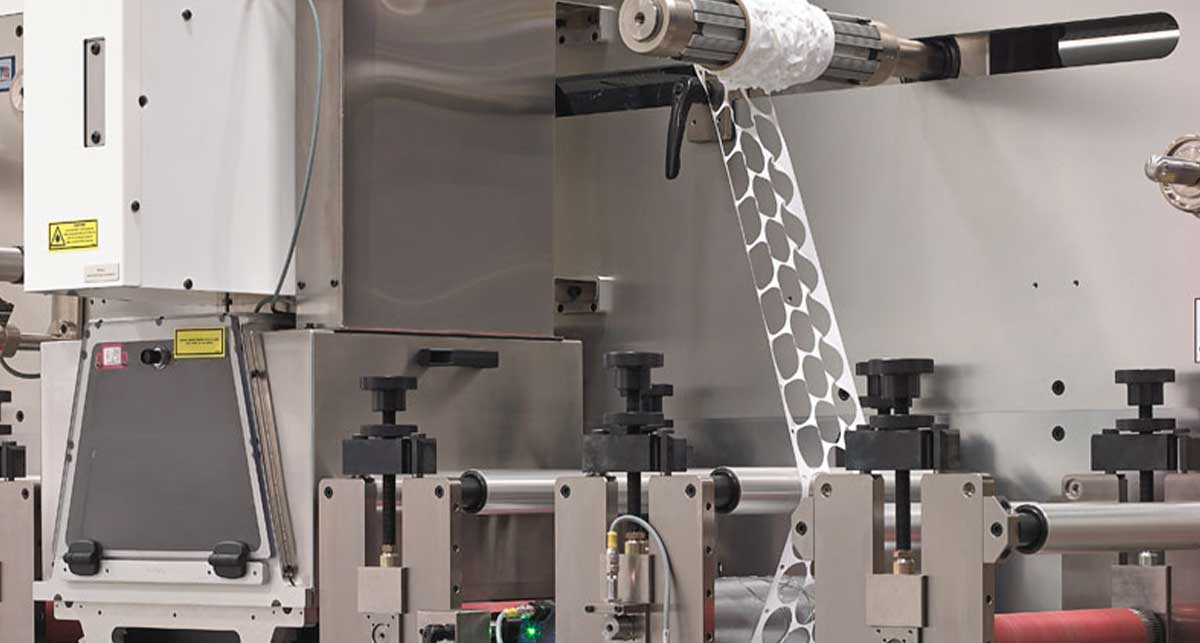
Rotary ultrasonic welding pulls flexible materials through a web and welds them together as they pass. It can be used in tandem with die cutting or other manufacturing processes.
There are many reasons manufacturers turn to rotary ultrasonic bonding.
1. HIGHER SPEEDS
High-speed rotary processing enables converters to run more material in a shorter time, helping reduce the cost of machine runs.
2. INCREASED PRODUCTION EFFICIENCY
On a rotary press, rolls of material are continuously fed through a machine to reduce intermittent starts and stops. This allows converters to mitigate material waste and perform multiple processes in a single run.

High-speed rotary processing enables converters to run more material in a shorter time, helping reduce the cost of machine runs. Additional benefits of USW on rotary presses include:
✅ Good alternative to glue, snaps, buttons, screws, etc.
✅ No drying time (unlike typical adhesives or solvents)
✅ Easy to automate
✅ Does not need a ventilation system for heat or exhaust
3. ADVANCED PRECISION
Joining materials using high-frequency ultrasonic methods is a precise process that allows converters to meet strict dimensional tolerances. By applying precise ultrasonic vibrations to the material as it passes through the press, converters can build small or delicate assemblies.
4. CLEAN WELDING SITE
One of the big advantages of ultrasonic welding is that it produces a clean weld site with minimal debris and no surface finish marks. Due to the absence of contaminants, ultrasonic welding is conducive to biocompatible parts and can be used for clean room manufacturing.
LOW THERMAL IMPACT ON MATERIALS
Thanks to its low thermal impact, this welding process can bond a wide range of materials together. Some additional examples of commonly used materials include polypropylene and polyethylene (for blister packs) and textiles (for transdermal patches).
Integrating Ultrasonic Welding into Production
If you value manufacturing efficiency, you are always looking for ways to combine steps in your production process. Rotary ultrasonic welding can be integrated with processes such as laminating, die cutting, or slitting.
Many converters use ultrasonic welding to bond thermoplastics, nonwoven fabrics, and other materials, but only the most experienced understand how to incorporate it into 1-pass production using rotary technology.

If rotary USW sounds like your best option, start your project with Strouse today. Our team will guide you through the manufacturing process and help optimize your part for a smooth and cost-effective production run.
For more information on bonding different types of materials, check out our Learning Center.