.svg)

Microneedle Patches Explained | Painless & Innovative Drug Delivery
Imagine receiving a vaccine or medication without the pinch of a needle or the need to remember to swallow a pill multiple times throughout the day. Furthermore, if you can't swallow or digest a pill, this allows you to take medications you otherwise wouldn't be able to.
Microneedle patches are revolutionizing drug delivery by making treatments more accessible, easier to administer, and virtually painless. In this video, we’ll explore what microneedle patches are, how they work, and the processes used to manufacture them.
What Are Microneedle Patches?
Microneedle patches are specialized transdermal patches that deliver medications via an array of tiny needles embedded in the adhesive.
Unlike traditional injections, microneedle patches allow drugs or vaccines to enter the body through the skin without the need for syringes. Each patch consists of an adhesive layer that holds the needles against the skin, and depending on the design, the needles may already contain the drug solution or be paired with a separate transdermal patch for delivery.
How Do Microneedle Patches Work?
Microneedle patches function by pressing the array of needles into the skin’s outermost layer, creating microscopic punctures that are typically painless. Once the pathways are established, the drug solution travels through the layers of the skin until it reaches the dermis, where it enters the bloodstream through capillaries.
Because microneedles bypass the digestive system and inject drugs directly into circulation, they can provide consistent delivery over time and are especially useful for patients who have trouble with oral medication or want to avoid invasive injections.
What Materials Are Microneedle Patches Made of?
Often, skin-safe silicone adhesives are used to create a bond. The materials used to make microneedle patches are carefully selected to balance adhesion, comfort, and medical safety. The adhesive backing must be strong enough to secure the patch and microneedle array to the skin for the required duration.
Choosing the right skin adhesive is critical, and manufacturers often collaborate with converters to finalize a patch design that is safe and effective.
What Are the Different Types of Microneedles?
There are several types of microneedles, each with unique properties tailored to different medical needs.
-
Solid microneedles puncture the skin and are then removed, leaving behind microchannels for a transdermal patch to deliver drugs.
-
Coated microneedles carry a thin layer of drug solution that dissolves upon insertion, but the coating limits the dosage.
-
Hollow microneedles allow the direct flow of drugs through their empty channels, making them useful for diagnostics and high-dose delivery, though they can sometimes clog or leak.
-
Dissolvable microneedles, made from sugars or polymers, break down once inside the skin while releasing medication, reducing waste but requiring longer wear times.
-
Hydrogel-forming microneedles swell upon contact with bodily fluids and gradually release medication, making them effective for drugs such as ibuprofen and other hydrophilic compounds.
How Are Microneedle Patches Manufactured?
Manufacturing microneedle patches is a highly specialized process that often involves two separate production processes.
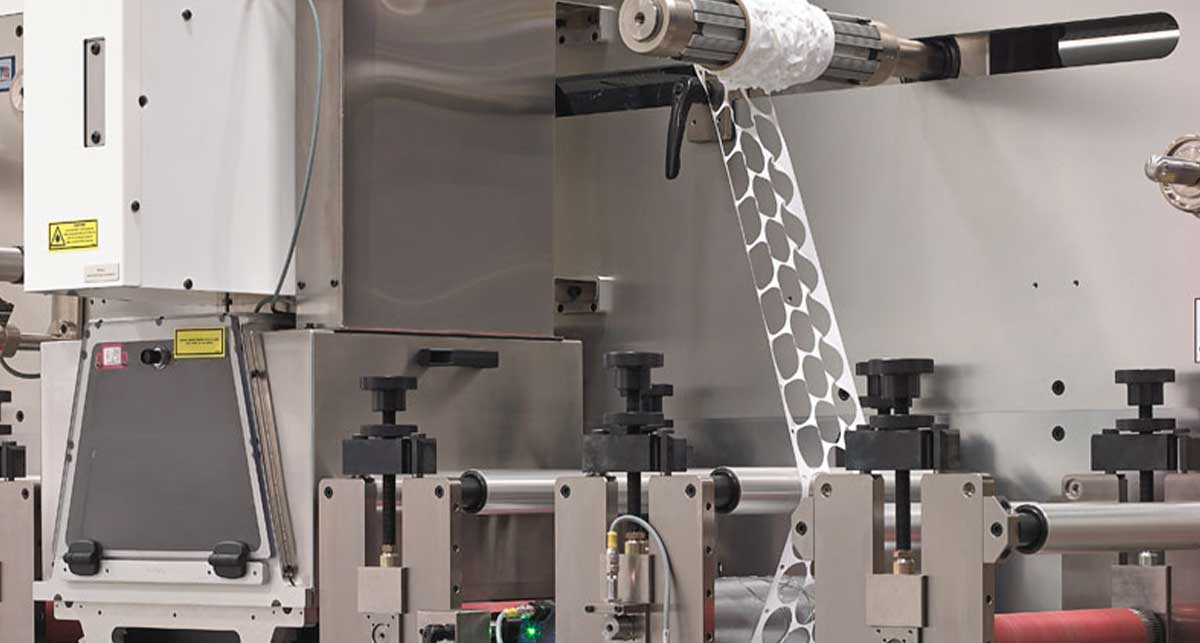
First, a specialized microneedling company will need to create a roll of microneedling material for a converter like Strouse to use.
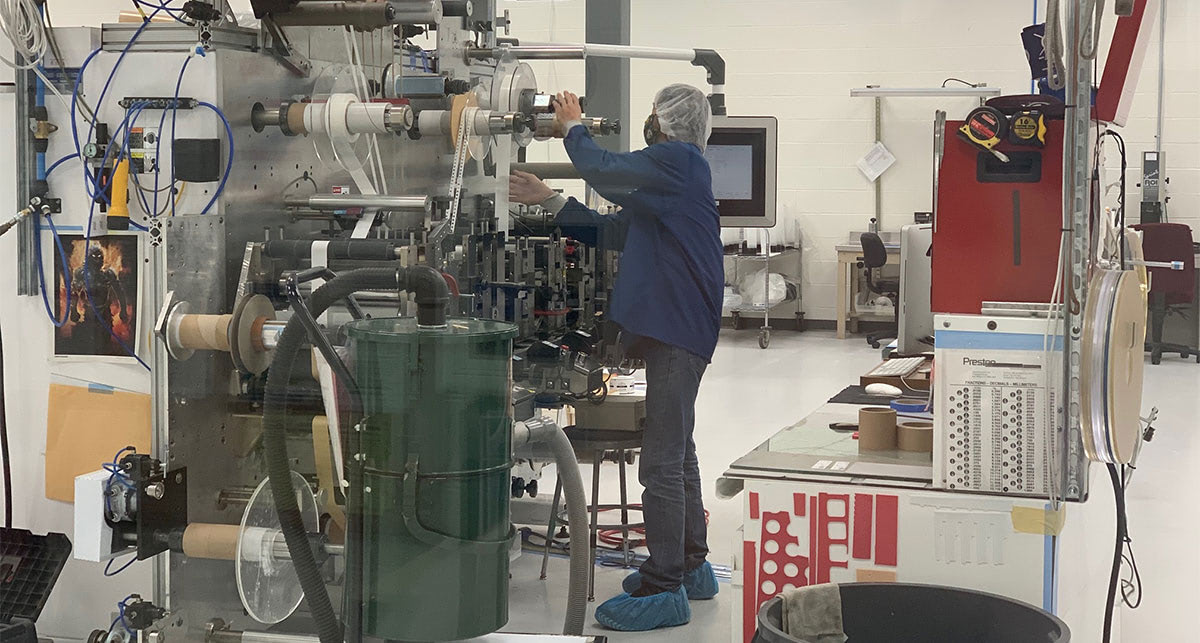
Next the Converter will modify both the microneedling and the other materials that are incorporated into your product. To maintain sterility and prevent contamination, production typically occurs in Clean Rooms, which are controlled environments designed for medical grade device manufacturing. These controlled conditions not only ensure safety but also reduce the need for costly sterilization later.
By collaborating with manufacturers early in the design process, companies can ensure that adhesive components and microneedle arrays are combined efficiently, resulting in patches that are safe, cost-effective, and reliable.
If you want to find out more about medical adhesives or how working with a converter can help your project, feel free to visit our Learning Center or reach out to us directly!
FAQ
Here are the answers to the questions that we commonly get asked.
Yes—Strouse offers rapid prototyping and sampling services for medical device manufacturers and other businesses seeking materials for product validation and development.